.jpg)
There is an AI divide forming in finance, and it is widening faster than most boards realise. After a year of conversations with CFOs and finance leaders across Sydney, the pattern is clear. The teams making real progress did not stumble into it. They planned it, scoped it and budgeted for it, the same way they would treat any major capital decision.
What the numbers show
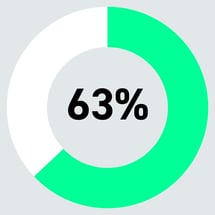 |
.jpg?width=208&height=208&name=RI%20Dials%20(3).jpg) |
.jpg?width=208&height=208&name=RI%20Dials%20(2).jpg) |
| of finance teams now use AI, but most are still only piloting it | of global AI investment is wasted each year on weak data foundations | of organisations have a mature AI governance model |
There is plenty of activity, then, and not much return yet. The reason has less to do with the technology than with what sits underneath it.
The divide is really about data
The Reserve Bank said as much in its November 2025 review of how Australian firms are using technology. Adoption is shallow, legacy systems are a primary barrier, and the firms pulling ahead share a common trait: modern data platforms, executive sponsorship, and a willingness to invest before the returns are obvious. The ones struggling are buried in data debt.
That debt has a price. The businesses that most need AI to drive efficiency are often the least equipped to act, because modernising the foundation first is expensive and the return is a hard sell in any boardroom.
What this changes about who you hire
All of this lands back on the team. The finance professional who matters now can sit between finance and technology, read the return, and make the capex call with a clear head. That blend of commercial and technical judgement is hard to find and worth paying for.
But here is the part the AI conversation keeps missing. As the mechanical work gets automated, the human work becomes the differentiator. The reconciliations and the first-draft reports will increasingly run themselves. What will not automate is the ability to build trust with a board, to partner with the business, and to have the honest conversation when the numbers are uncomfortable.
For anyone building a career in finance, that is the real message. Technical skill gets you in the room. Deep human connection, the ability to relate, to be trusted, and to bring people with you, is what unlocks the next level, secures the role, and keeps you valuable across a long career. The professionals who last will be the ones who lean into that.
This sits on the balance sheet
So who owns that decision? This is where the best finance leaders are changing the conversation. Data modernisation has long been treated as an IT cost to be managed down. The CFOs getting ahead of it are calling it what it actually is: strategic capex, a deliberate investment in the capability to compete.
That reframe matters, because it moves the decision out of the server room and onto the balance sheet, where finance can weigh it properly against everything else competing for capital.
There is a governance layer to navigate too. As agentic AI moves into accounts payable, receivable and FP&A, the question shifts from whether you are using AI to whether you can trust what it is doing. Nearly half of organisations now name governance as a top AI risk, and Gartner expects a large share of agentic projects to be abandoned for that reason.
The bottom line
AI will decide how efficient your finance function becomes. People will decide whether any of it sticks. The leaders who win the next few years are treating the technology as a balance-sheet decision and their talent as a human one, at the same time.
So, for those in finance, the question is simple. What are you doing about both?